


Buying an older vehicle can be a smart financial move —or a costly lesson —depending on how prepared you are. While the lower purchase price is attractive, age introduces variables that don’t exist with newer models: wear patterns, outdated technology, and unknown maintenance habits. The key is not avoiding older vehicles altogether, but understanding what you’re getting into before you sign anything.
This guide is designed to help you think like a long-term owner, not just a buyer. You’ll learn how to evaluate mechanical risk, budget realistically, and plan for scenarios many people don’t consider until it’s too late. With the right approach, an older vehicle can be dependable, affordable, and surprisingly enjoyable to own.
Set Realistic Expectations for Age, Mileage, and Wear

One of the biggest mistakes buyers make is assuming mileage alone tells the whole story. In reality, how a vehicle was maintained matters far more than how far it’s been driven.
High mileage isn’t automatically bad. Highway-driven vehicles often experience less stress than low-mileage cars used primarily for short trips. What you want to see is evidence that routine maintenance wasn’t skipped, especially basic items that keep an engine healthy over time.
Things to evaluate carefully include:
- Consistency of service records rather than perfection
- Gaps in maintenance history and what might have happened during them
- Signs of neglect like sludge buildup or overdue oil change intervals
A well-maintained older vehicle with higher mileage often outperforms a lower-mileage one that sat unused or was poorly cared for. Adjust your expectations accordingly and focus on patterns, not just numbers.
Research Common Failure Points for That Make and Model
Every vehicle generation has known weak spots. Some are minor annoyances; others can be financially devastating if they fail after purchase. Doing this research before you ever see the car can save you thousands because it allows you to evaluate risk before emotion or price clouds your judgment.
The most reliable insights usually come from people who have owned the vehicle long enough to experience problems firsthand. Owner forums, long-term reliability reviews, and technical service bulletins often reveal issues that won’t show up in a quick test drive. Pay close attention to problems that appear repeatedly at similar mileage ranges, as these trends often indicate design flaws or components that wear out earlier than expected. When dozens or hundreds of owners report the same failure within a narrow mileage window, that’s not bad luck —it’s a pattern.
In particular, look for:
- Known drivetrain or transmission failures
These are often among the most expensive repairs on an older vehicle. Research whether failures tend to happen gradually or suddenly, and whether warning signs appear beforehand. A vehicle with a history of abrupt drivetrain failure carries far more risk than one where issues develop slowly and predictably. - Cooling or timing-related problems
Overheating, water pump failures, and timing component issues can cause cascading damage if not addressed promptly. Many engines are especially sensitive to cooling system neglect, and a single failure can lead to warped components or internal damage. - Warning signs that suggest looming auto engine replacement costs
Look for reports of oil consumption, loss of compression, persistent misfires, or unexplained knocking sounds. These symptoms may not fully manifest during a short inspection but can signal serious internal wear that becomes unavoidable shortly after purchase.
If a major failure is statistically likely within the mileage range you’re buying into, factor that risk directly into the price. In some cases, a lower purchase price can justify the risk if you’re prepared for the repair. In others, the smartest move is to walk away entirely. No deal is good enough to justify a repair that exceeds the vehicle’s value, especially when those risks were visible in the research stage.
Inspect Safety-Critical Components Before Anything Cosmetic

Cosmetic flaws are easy to see and easy to negotiate. Safety-related issues, on the other hand, are sometimes hidden and far more important because they affect how the vehicle protects you in everyday driving and in emergency situations.
Start with components that affect visibility and structural integrity, as these directly influence reaction time and crash protection. Even small issues can compromise safety if they weren’t repaired correctly or were temporarily patched instead of properly fixed. Poor-quality fixes are especially concerning because they often point to previous damage that was handled cheaply or quickly to prepare the vehicle for sale.
During inspection, pay close attention to:
- Cracks, distortion, or leaks around glass
Minor cracks can spread rapidly, and distortion can interfere with depth perception, especially at night or in rain. Water leaks may also signal improper sealing or hidden body damage around the frame. - Signs of improper windshield replacement such as uneven seals
Uneven trim, excessive adhesive, wind noise, or moisture buildup can indicate that the glass wasn’t installed correctly. Improper windshield replacement can weaken structural support during a collision and interfere with airbag deployment. - Alignment issues that could indicate previous accidents
Uneven panel gaps, doors that don’t close smoothly, or steering that pulls to one side may point to underlying frame damage. Even if the car drives “okay,” misalignment can affect tire wear, handling, and long-term safety.
If safety repairs are needed, get professional estimates before buying. These costs shouldn’t be guesses —they should be clearly defined numbers you can use when negotiating or deciding to walk away. Factoring these expenses into the purchase decision helps ensure you’re not inheriting risks that outweigh the value of the vehicle.
Evaluate Electrical Systems and Interior Functionality
Electrical issues are among the most frustrating problems in older vehicles because they can be intermittent and difficult to diagnose. Unlike mechanical failures, electrical problems may not appear consistently during a short test drive, which makes them easy to overlook. Interior electronics often reveal how carefully the car was treated overall, since shortcuts or neglect in this area tend to compound over time.
Test everything, even features you don’t care much about, because small malfunctions often point to larger underlying issues. Power windows, seat controls, interior lighting, and charging ports should all work smoothly and consistently. A single failure may indicate deeper wiring problems, especially in vehicles that have been modified or repaired multiple times by different owners.
Key things to check include:
- Audio, display, and accessory controls
Slow response times, random resets, or inconsistent sound output can suggest failing modules or damaged wiring. These issues can be costly to trace and may worsen as electrical load increases. - Dashboard warning lights that flicker or stay illuminated
Intermittent warning lights are a major red flag. They may indicate sensor failures, grounding issues, or previous attempts to mask a problem rather than fix it properly. - Evidence of poor local car stereo installation, such as loose panels or exposed wiring
Sloppy installation can lead to short circuits, battery drain, or damage to factory wiring harnesses. Poorly routed wires and unsecured panels also increase the risk of future electrical failures.
Electrical problems don’t always strand you, but they can quietly drain your time and money through repeated diagnostics and small repairs that add up. Identifying these issues early helps you decide whether the inconvenience, repair complexity, and ongoing maintenance are worth the purchase price.
Understand Insurance Costs Before Finalizing the Purchase

Many buyers assume older vehicles automatically cost less to insure. That’s often true —but not always. Replacement parts availability, safety features, and repair costs all influence premiums.
Before committing, get quotes using the exact vehicle details. This step is especially important if you’re considering limited coverage or planning to self-insure certain risks.
When speaking with an auto insurance agency, ask about:
- How the vehicle’s age affects coverage options
- Whether certain repairs impact future claims
- Differences between liability-only and broader protection
Knowing these costs ahead of time prevents surprises and helps you decide whether the savings on purchase price truly carry through ownership.
Plan for Breakdowns —Even If the Car Seems Solid
Even well-maintained older vehicles can fail unexpectedly. Hoses age, sensors fail, and small parts can bring everything to a halt at the worst possible time.
Planning for this reality doesn’t mean expecting the worst —it means being practical. A single breakdown can undo years of savings if you’re unprepared.
Smart preparation includes:
- Understanding which failures are most likely for your vehicle
- Having a plan for after-hours or long-distance issues
- Knowing what emergency roadside assistance covers and what it doesn’t
This planning reduces stress and turns breakdowns into manageable inconveniences rather than major crises.
Factor in Upgrades and Replacement Parts Strategically
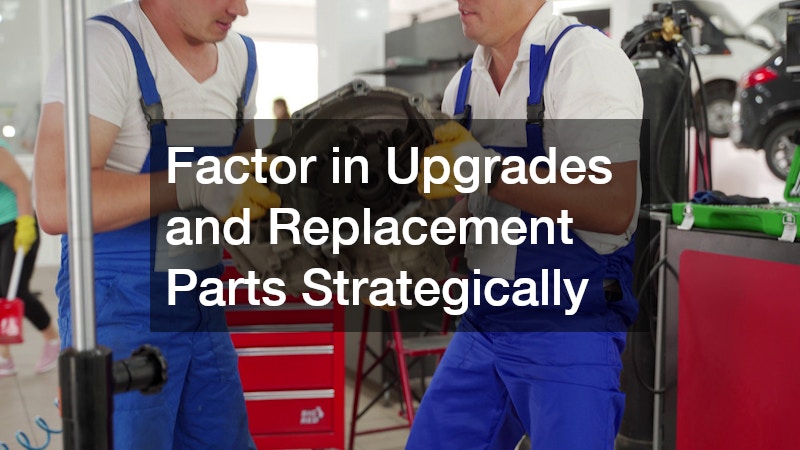
Older vehicles often require replacement parts simply due to age. The challenge is deciding where to save money and where quality matters most.
Not all replacements are equal. Some components tolerate alternatives well, while others are best kept original or premium-grade.
When considering aftermarket car parts, think about:
- Safety-critical versus convenience-related components
- How replacements affect reliability and drivability
- Long-term costs versus short-term savings
Strategic upgrades can extend a vehicle’s life significantly, but poorly chosen parts can introduce new problems. Balance cost with reliability every time.
Decide Whether the Vehicle Is Worth Long-Term Ownership
At some point, every older vehicle reaches a crossroads where repairs no longer make financial sense. Wear compounds over time, and even reliable models eventually reach a stage where multiple systems begin failing close together. Planning for that moment ahead of time gives you control instead of forcing rushed decisions under stress or financial pressure.
Track repair costs carefully and compare them to the vehicle’s realistic market value, not its sentimental value or the amount you’ve already spent. Past expenses are sunk costs, and letting them influence future decisions often leads to over-investing in a vehicle that no longer delivers proportional value. When repair frequency and cost begin rising faster than the vehicle’s usefulness or reliability, it may be time to step back and reassess.
Signs it’s nearing that point include:
- Frequent breakdowns with unrelated causes
When problems span multiple systems —electrical, cooling, suspension, or drivetrain —it often indicates overall wear rather than isolated defects. These issues tend to accelerate rather than stabilize. - Repair estimates that exceed resale value
When a single repair costs more than what the vehicle could reasonably sell for in working condition, continuing to invest usually makes little financial sense. - Situations where cash for junk cars becomes a reasonable fallback
If the vehicle’s value lies primarily in disposal or parts rather than continued use, accepting this option can free up funds and mental energy for a more reliable replacement.
An exit strategy isn’t pessimistic —it’s practical. It ensures you don’t throw good money after bad and allows you to make calm, informed decisions when the vehicle’s lifecycle naturally comes to an end.
Prepare for Towing, Transport, and Unexpected Logistics

Sometimes an older vehicle can’t —or shouldn’t —be driven immediately after purchase or during ownership. Mechanical uncertainty, expired registration, or unresolved safety issues can make driving risky or impractical. Planning for transport logistics ahead of time helps you avoid last-minute stress, rushed decisions, and inflated costs when circumstances change unexpectedly.
Situations that may require advance planning include buying from out of town, discovering unexpected mechanical issues during a pre-purchase inspection, or needing to relocate the vehicle long-distance. Even a car that seems roadworthy can develop problems quickly, and having a transport plan ensures you’re not forced into expensive or unsafe choices.
Options to evaluate:
- Professional transport versus DIY solutions
Professional transport can save time and reduce risk, especially for long distances or non-running vehicles. DIY solutions may be cheaper for short distances but require proper equipment, towing capacity, and experience to avoid damage. - When car trailers and hauler services are cost-effective
These services are often the best choice for vehicles with unknown reliability or significant mechanical issues. They reduce wear, eliminate breakdown risk, and can be more economical than multiple towing events. - Short-term trailer rental for local moves or breakdowns
For nearby transport, a short-term trailer rental can provide flexibility and control. This option works well when timing matters or when professional services aren’t immediately available.
Knowing these options ahead of time lets you act quickly and choose the most economical solution when the need arises, instead of making decisions under pressure that could increase both cost and risk.
Buying an older vehicle isn’t about luck —it’s about preparation. The more you understand what to inspect, budget for, and plan around, the more confident you’ll feel in your decision. Older cars can deliver tremendous value, but only when you approach the process with clear expectations and informed judgment.
By focusing on research, realistic budgeting, and long-term thinking, you shift the experience from risky to rewarding. With the right mindset, an older vehicle can serve you reliably while keeping more money in your pocket —and fewer surprises on your calendar.