


That grinding, squealing, or knocking sound coming from your car is never just background noise; it is your vehicle’s way of flagging a problem before it turns into a costly breakdown. Many drivers ignore strange noises until the car stalls on the highway or a warning light forces the issue, but by then, the repair bill has usually grown. Learning to identify what these sounds mean can save you money, protect your safety, and help you decide when it is time to see a professional. This guide breaks down the most common under-the-hood noises and translates them into plain language you can actually use.
Squealing Sounds When You Press the Brakes
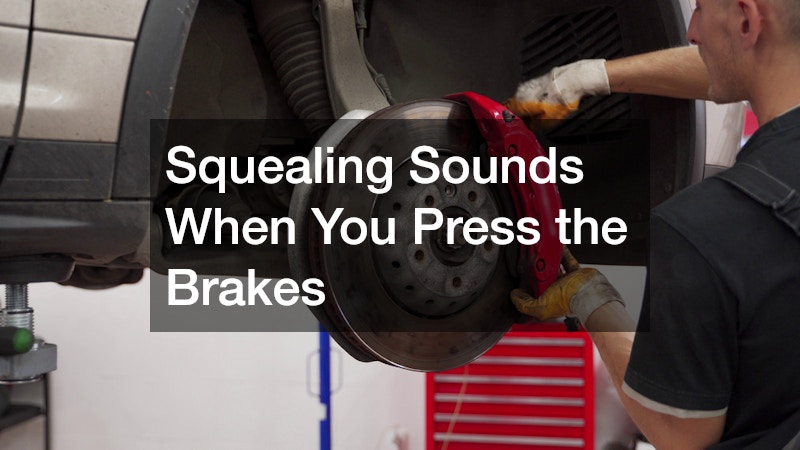
A high-pitched squeal every time you slow down is usually the built-in wear indicator on your brake pads doing exactly what it was designed to do. This small metal tab is meant to scrape against the rotor once the pad material gets thin, alerting you before you lose stopping power entirely. Ignoring this sound for too long can lead to metal-on-metal contact, which damages rotors and turns a simple fix into a much larger expense.
If you hear this noise, it is time to schedule a brake repair service rather than wait for the situation to worsen. A qualified technician will measure pad thickness, inspect the rotors for grooves or warping, and replace components before they cause additional wear on your braking system. Catching this early keeps your repair costs predictable and your car safer on the road.
- Squealing that stops when the brake pedal is released often points to worn pads
- A grinding noise instead of a squeal usually means the pads are already gone
- Squeaking only in wet or cold weather can be normal and less urgent
- Persistent noise after a full stop may indicate a caliper issue
Grinding Noises Coming From the Front Wheels
Grinding at the wheels is a step beyond the warning squeal and typically signals that brake pads have worn down completely, leaving metal to scrape against metal. This not only damages rotors but can extend stopping distances significantly, which is a serious safety concern. The longer this continues, the more expensive the eventual repair becomes, since rotors and sometimes calipers will need replacing alongside the pads.
Grinding can also come from a failing wheel bearing, which produces a rougher, more rhythmic sound that changes with vehicle speed. Wheel bearings support the weight of the car and allow smooth wheel rotation, so a failing one can eventually cause a wheel to lock up or wobble. Either way, grinding noises deserve prompt attention from a shop experienced in auto repairs to pinpoint the exact source before more damage occurs.
Knocking Sounds From Under the Engine Bay
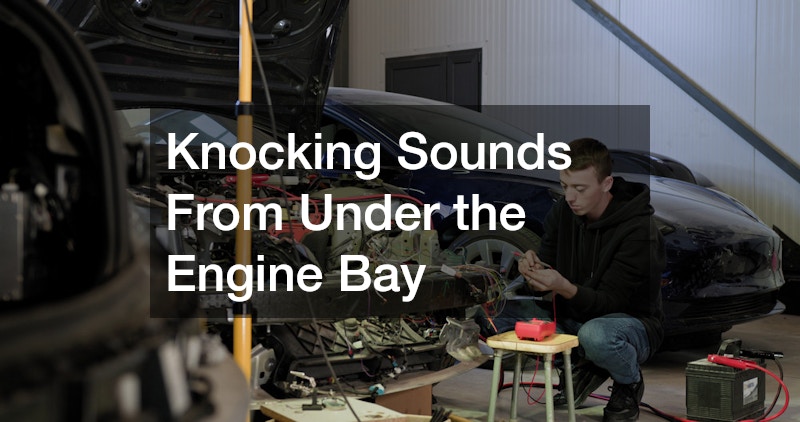
A knocking or ticking sound from the engine often points to a problem with oil circulation, worn engine bearings, or improper fuel combustion. Low oil levels or degraded oil can leave metal components without enough lubrication, causing them to knock against each other under normal operation. This type of noise tends to get louder as the engine works harder, such as during acceleration or climbing a hill.
Some knocking is caused by using the wrong fuel octane for your engine, which leads to a condition called pre-ignition or detonation. While switching fuel grades can sometimes solve minor cases, persistent knocking usually signals something mechanical that needs inspection. Addressing engine knock early can prevent a small lubrication issue from turning into a full engine rebuild.
- Ticking that fades as the engine warms up may point to thinning oil
- Deep knocking under load suggests worn rod bearings
- Pinging noises during acceleration can indicate ignition timing issues
- A sudden loud knock, followed by loss of power, requires immediate attention
Whining or Grinding From the Transmission
A whining noise while shifting gears, or a delay before the car engages after shifting into drive, often points to transmission trouble. Automatic transmissions rely on fluid pressure to shift smoothly, so low or degraded fluid can cause slipping, whining, or hesitation. Manual transmissions may produce a grinding sound when shifting if the clutch or synchronizers are wearing out.
These symptoms should never be ignored, since transmission problems tend to escalate quickly once fluid contamination or internal wear begins. Scheduling transmission repair at the first sign of trouble is almost always cheaper than waiting for complete failure, which can require a full rebuild or replacement unit. A technician can check fluid condition, look for leaks, and diagnose whether the issue is mechanical or simply due to overdue maintenance.
Squealing Belts and Rattling Accessories
A high-pitched squeal that occurs when you start the car or turn the steering wheel is often related to a worn or loose serpentine belt. This belt powers several components at once, including the alternator, power steering pump, and air conditioning compressor, so a failing belt can eventually leave you stranded. Rattling sounds near the front of the engine can also point to a failing tensioner or pulley that is no longer keeping the belt properly aligned.
These noises are usually inexpensive to fix if caught early, since belts and tensioners are relatively affordable components compared to what they protect. Letting a worn belt snap while driving can cause a cascade of problems, including a dead battery, loss of power steering, and an inoperative air conditioning system. Popping the hood every few months to check for glazing, cracks, or a belt that flexes too much under light pressure can catch trouble long before it becomes an emergency, much like applying the best paint protection film helps you catch and prevent small cosmetic issues before they turn into costly repairs.
Hissing or Gurgling Near the Radiator
A hissing sound from under the hood, especially paired with steam or a sweet smell, often points to a coolant leak somewhere in the radiator or hose system. Gurgling noises can indicate air trapped in the cooling system, which prevents coolant from circulating properly and can lead to overheating. Both symptoms deserve prompt attention, since an overheating engine can warp cylinder heads or blow a gasket in a short amount of time.
Radiator repairs often involve replacing a cracked hose, resealing a leaking connection, or addressing a failing radiator cap that cannot maintain proper pressure. Foreign auto repairs sometimes require specialized parts or fluids depending on the make and model, so it helps to work with a shop familiar with your particular vehicle’s cooling system design. Keeping an eye on your temperature gauge alongside any unusual hissing sounds can help you catch a cooling system problem before it strands you on the road.
- Steam from under the hood means you should pull over immediately
- A sweet smell often indicates leaking coolant
- Gurgling after shutting off the engine can mean trapped air in the system
- A rapidly dropping coolant level points to a leak that needs diagnosis
Clicking or Rattling During Turns

A clicking noise that gets faster as you accelerate and is most noticeable during turns is a classic sign of a worn CV (constant velocity) joint. This component allows power to transfer smoothly to the wheels while allowing suspension movement, and its rubber boot can crack over time, letting grease escape and dirt enter. Once the boot fails, the joint wears quickly, and the clicking noise becomes more pronounced.
You’ll usually hear this sound most clearly when making sharp turns at low speeds, such as pulling into a parking spot or navigating a tight corner. The clicking happens because the worn joint’s internal ball bearings and cage no longer move smoothly under the added angle and load of a turn. Front-wheel-drive vehicles are especially prone to this issue since their CV axles handle both power delivery and steering angles.
It’s worth inspecting the rubber boot yourself if you can safely access the underside of the vehicle. A torn or missing boot, visible grease flung around the wheel well, or a boot that feels stiff and cracked are all telltale signs of trouble. Catching a cracked boot early and having it replaced can cost well under $100, but ignoring it often leads to full CV joint or axle replacement, which can run several hundred dollars per side.
If left unaddressed, a failing CV joint can eventually seize or separate entirely, causing a loss of power to that wheel and potential safety risks. Any clicking during turns should be treated as a signal to schedule an inspection soon rather than waiting for the noise to worsen.
A distinct clicking sound that follows the rhythm of the steering, growing faster as you turn sharper, is a classic sign of a worn CV joint, especially on front-wheel-drive vehicles. This typically shows up during low-speed turns, like pulling into a parking lot or navigating a tight corner, and often gets louder over a few weeks as the joint deteriorates. Left unattended, a failing CV joint can eventually snap, leaving you unable to accelerate or steer properly.
Rattling during turns, on the other hand, points to a different set of culprits. Loose heat shields are a common and relatively harmless cause, since the thin metal covering the exhaust can vibrate against nearby components once a clip or bolt corrodes away. Worn sway bar links and deteriorated suspension bushings are more concerning, as they affect handling stability and tend to produce a clunking or rattling noise, specifically when the car leans during a turn.
Sometimes the source has nothing to do with the drivetrain or suspension at all. A poorly refastened bumper after a minor collision can produce a nearly identical rattle, particularly if plastic clips or brackets weren’t seated correctly during the repair. This is one reason bumper repair should always be ruled out during inspection, since it’s a quick and inexpensive check compared to tearing into suspension components.
These issues do not always affect safety immediately, but they can worsen ride quality and lead to uneven tire wear if left unaddressed. A worn bushing, for instance, can allow excess movement in the suspension geometry, gradually wearing down tires unevenly, even if the car still drives smoothly. A proper inspection, ideally involving a visual check of the underbody along with a test drive over varied turns, can distinguish between a simple heat shield rattle and a more serious steering or suspension component nearing failure.
Warm Weather Noises From the Air Conditioning System
A rattling or clicking sound when you turn on the air conditioning can point to a failing compressor clutch, a loose mounting bolt, or debris caught in the condenser fan. Since the AC compressor is belt-driven and mechanically complex, unusual noises here often mean a component is beginning to wear out rather than simply needing a recharge. Ignoring these sounds can lead to a compressor seizing, which is a far more expensive repair than catching the issue early.
Auto AC repair often starts with a simple diagnostic check of refrigerant levels, belt tension, and electrical connections before moving to more involved compressor work. A properly functioning air conditioning system also relies on a clean cabin air filter and clear condenser fins, both of which are easy to overlook during routine maintenance. Getting strange AC noises checked before the summer heat arrives can prevent being stuck without cool air on a long drive.
Sounds That Signal It Is Time for a Full Inspection
Not every noise fits neatly into one category, and sometimes a combination of sounds points to a bigger picture problem that needs a trained eye. A shop that also offers services like auto detailer work or auto glass tinting often handles a wide range of vehicle concerns and can spot related issues during a routine visit. For example, a technician detailing your interior might notice a stain that points to a hidden mechanical problem you were not yet aware of.
Staying on top of routine maintenance items like fluid changes, belt inspections, and suspension checks will not stop every mechanical noise from developing, but it reflects the same mindset that keeps a car running well: catching small problems before they become expensive ones. Bundling regular inspections with services like auto detailer visits can make it easier to stay on top of both the appearance and mechanical health of your vehicle. When in doubt, a comprehensive inspection is always worth the time it takes to schedule one.
- Multiple noises appearing at once often indicate a maintenance backlog
- A sudden change in how the car sounds or feels should never be ignored
- Combining cosmetic and mechanical checkups saves time and often money
- A written inspection report helps you prioritize which repairs matter most
Strange noises under the hood are rarely random, and learning to recognize what they mean puts you back in control of your car care decisions. Whether it is a squeal from the brakes, a knock from the engine, or a hiss from the radiator, catching these signs early almost always leads to a simpler and less expensive fix. The best next step is to get any unfamiliar noise checked by a trusted technician rather than hoping it resolves on its own. Acting quickly protects both your budget and your safety on the road.