


The automotive landscape has undergone a massive transformation over the past two decades. In the past, vehicle owners often had to choose between a neighborhood garage that specialized exclusively in domestic muscle and trucks or a high-cost dealership that catered only to European or Asian imports. Today, those boundaries have largely dissolved. Modern vehicles—regardless of where they were engineered or assembled—share an unprecedented amount of complex technology, from sophisticated onboard computer networks to advanced driver-assistance systems.
Because vehicles have become more technologically complex, today’s top repair facilities have evolved into comprehensive service centers. Managing a diverse driveway that includes a domestic pickup, a European luxury sedan, or a Japanese hybrid requires a blend of high-tech diagnostic capability, specialized tooling, and adaptable service workflows. Understanding how professional technicians approach cross-platform repairs helps car owners make informed decisions about maintaining their investment, protecting their vehicle’s resale value, and ensuring safety on the road.
Diagnostic Infrastructure for Cross-Platform Engines

Modern vehicles function essentially as computers on wheels, running dozens of interconnected electronic control units (ECUs) over complex internal communication networks. When a check engine light illuminates on a domestic truck, the underlying cause might be a straightforward sensor fault or a wiring harness issue. On a complex imported vehicle, however, that same warning light might signal a subtle communication timing mismatch between the transmission control module and the engine management system.
To resolve these issues efficiently, high-caliber facilities invest in dealer-level diagnostic suites capable of bi-directional control. Rather than simply reading trouble codes, technicians use these advanced tools to command individual components—such as cycling a variable valve timing solenoid or running a balance test on fuel injectors—to verify mechanical operation in real time.
For car owners looking to stay ahead of electronic glitches, proactive care is essential:
- Ask your service facility if they utilize multi-platform, bi-directional diagnostic scanners rather than basic code readers during trouble inspections.
- Request software version checks during major maintenance visits, as manufacturers frequently release ECU updates to fix erratic sensor behavior and transmission shift points.
- Never clear diagnostic trouble codes before bringing a vehicle in for service, as freeze-frame data captured at the moment of failure provides vital clues for accurate foreign auto repair.
- Ensure your shop documents baseline diagnostic readings before approving complex repairs, giving you a clear before-and-after picture of system performance.
By relying on complete diagnostic protocols across all make and model lines, high-grade auto repair services can pinpoint electrical and mechanical faults rapidly, saving vehicle owners time and preventing unnecessary parts replacement.
Precision Care for Complex Powertrains and Forced Induction
Under the hood, the engineering philosophies of foreign and domestic manufacturers can differ drastically. Domestic automakers have traditionally favored larger displacement engines, heavy-duty towing setups, and robust, high-torque configurations. Conversely, foreign automakers have long led the way in small-displacement, high-compression engines boosted by sensitive turbochargers. Today, both philosophies have merged, with nearly every manufacturer adopting direct fuel injection and forced induction to meet strict fuel economy and emissions standards.
Servicing these modern powertrains requires absolute precision. High-pressure fuel systems operate at thousands of pounds per square inch, meaning even minor contamination during a filter or injector service can cause severe engine damage. Furthermore, direct-injection engines are prone to carbon buildup on the intake valves because fuel no longer washes over them to clean away oil deposits.
Proper maintenance for modern engines involves several specific steps:
- Perform intake valve cleaning every 30,000 to 40,000 miles on direct-injection engines to maintain proper airflow and prevent engine misfires.
- Strictly adhere to manufacturer oil specifications, pay close attention to viscosity grades, and ensure oil meets specific European or domestic OEM standards to prevent low-speed pre-ignition.
- Allow turbocharged engines to idle briefly after hard highway driving, giving the circulating oil a chance to cool the turbocharger bearings properly.
- Schedule regular glow plug and high-pressure fuel pump inspections if you drive a light-duty vehicle that requires specialized diesel engine repair.
Addressing these intricate engine needs with exact manufacturer-specified procedures keeps forced-induction and high-compression powertrains running smoothly for hundreds of thousands of miles.
Bumper-to-Bumper Safety: Braking and Advanced Driver Assistance Systems

Stopping a vehicle involves much more than pressing a pad against a metal rotor. Modern braking platforms are tightly integrated with electronic stability control, anti-lock braking systems, and Advanced Driver Assistance Systems (ADAS) like automatic emergency braking and adaptive cruise control. Replacing friction components on a modern domestic or foreign vehicle requires technical skill and a clear understanding of electronic integration.
When a vehicle comes in for brake service, technicians must do more than just swap out worn parts. Many late-model vehicles feature electronic parking brakes that require a software-driven service mode just to retract the calipers safely. Additionally, changing the physical geometry of the braking system or replacing suspension components can throw off the alignment of forward-facing radar and windshield cameras, making calibration necessary to keep safety features working accurately.
To maintain optimal stopping power and system safety, vehicle owners should follow these guidelines:
- Choose brake pads tailored to your driving style and vehicle type, selecting low-dust ceramic pads for quiet commuting or high-friction metallic compounds for towing and heavy-duty use.
- Flush hydraulic brake fluid every two years or 24,000 miles to remove moisture that can corrode delicate internal valves inside ABS control modules.
- Confirm that your chosen brake shop measures rotor thickness with a precision micrometer to verify it meets strict manufacturer minimum specs before machining or reusing rotors.
- Ensure a full ADAS calibration is performed if your vehicle exhibits unexpected lane-keep assist inputs or delayed emergency braking responses following front-end work.
By combining traditional mechanical precision with electronic calibration, repair shops guarantee that every driver leaves with reliable, predictable stopping power. Consider auto window tinting as well for your car’s windows.
Advanced Emissions Control and Exhaust System Services
Exhaust systems have evolved far beyond simple steel piping designed to direct noise and fumes away from the passenger cabin. Today’s exhaust assemblies are intricate chemical processing units equipped with oxygen sensors, catalytic converters, flex pipes, and diesel particulate filters. These systems work continuously to scrub harmful pollutants from engine exhaust before it exits the tailpipe.
Because these components operate under extreme heat and constant vibration, they are vulnerable to stress cracking, rust, and internal degradation. An exhaust leak does not just create an unpleasant noise; it can introduce toxic carbon monoxide into the vehicle interior and trick engine sensors into over-fueling the combustion chambers, quickly destroying expensive catalytic converters.
Key practices for maintaining exhaust system health include:
- Have exhaust hangers, heat shields, and flexible couplings inspected during every routine oil change to catch physical wear before pipes crack.
- Address check engine lights related to oxygen sensors or catalyst efficiency immediately to prevent fuel system imbalances from ruining downstream components.
- Ensure light-duty diesel owners run regular highway cycles to allow passive regeneration of the particulate filter, avoiding costly forced regenerations.
- Seek professional auto exhaust repair service as soon as you notice ticking sounds during cold starts, abnormal exhaust cabin smells, or a harsh metallic rattle from under the chassis.
Maintaining these critical environmental systems ensures vehicles pass mandatory state inspections while operating quietly, efficiently, and safely.
Restoring Structural Integrity and Exterior Aesthetics

Accidents, road debris, and harsh weather conditions inevitably take a toll on a vehicle’s exterior. Restoring a damaged body panel or repairing structural frame damage on a modern automobile requires a deep understanding of metallurgy and composite materials. Modern vehicles utilize a mix of high-strength steel, aluminum alloys, carbon fiber, and lightweight plastics engineered to absorb impact energy through precisely located crumple zones.
Repairing these materials demands specialized equipment. Pulling a dent on an aluminum panel requires different tools and temperature controls than working with traditional sheet steel, as aluminum lacks the thermal memory of steel and can crack if worked incorrectly. Furthermore, body repair is no longer purely cosmetic; radar sensors for blind-spot monitoring are often mounted directly behind plastic bumper covers, meaning paint thickness and body filler application must fall within strict millimeter tolerances to avoid blocking sensor signals.
To keep exterior repairs durable and safe, car owners should consider the following tips:
- Verify that your chosen facility uses computerized 3D laser measuring systems to ensure structural frame alignment matches original factory blueprints down to the millimeter.
- Ask if paint technicians use computerized color-matching tools and waterborne paint systems to achieve a seamless blend with existing factory paint finishes.
- Confirm that any work done at an auto body repair facility includes proper anti-corrosion treatments on inner panel welds to prevent rust from forming from the inside out.
- Look for an established auto collision shop that follows OEM-approved repair procedures rather than taking shortcuts that could compromise structural crumple zones in a future impact.
Proper structural and exterior restoration ensures that a repaired vehicle looks factory-new while retaining its original crash-test safety rating. Consider auto collision repair services for serious damage.
Post-Accident Sensor Integration and Frame Alignment
When a vehicle suffers moderate to severe impact damage, the repair process extends far beyond cosmetic panel replacement and frame straightening. Physical impacts shock the intricate network of sensors, cameras, and electronic safety modules spread throughout the chassis. A misaligned bumper by just a fraction of an inch can cause a blind-spot camera to monitor the wrong lane, creating a significant safety hazard.
Comprehensive post-impact restoration requires a multi-stage process where mechanical, structural, and electronic repairs happen in harmony. Once structural technicians return the frame to factory tolerances, mechanical technicians must inspect steering knuckles, suspension arms, and wheel hubs for hairline fractures or subtle bends that standard visual checks might miss.
Integrating mechanical care with structural restoration ensures that every post-accident vehicle is returned to the road in safe working order.
Thermal Management, Cabin Comfort, and Glass Care
A vehicle’s heating, ventilation, and air conditioning (HVAC) system does much more than keep passengers comfortable; it plays an essential role in windshield defogging, cabin air filtration, and battery thermal management in hybrid and electric vehicles. Modern climate control systems use precise refrigerants and electronic blending doors to maintain cabin temperatures while minimizing the load on the engine or drive battery.
Maintaining these systems requires specialized equipment, especially as the industry transitions from traditional R-134a refrigerant to newer, environmentally friendly R-1234yf systems. Mixing these refrigerants or using improper lubricating oils can contaminate the system and destroy the AC compressor. Similarly, modern windshields are no longer simple sheets of glass; they are acoustic-laminated structural components that often serve as the mounting surface for camera arrays that feed data to safety systems.
Taking care of cabin climate systems and glass ensures a comfortable driving experience while protecting sensitive dashboard electronics from heat degradation.
On-Demand Commercial Maintenance and Fleet Support
For businesses that rely on a fleet of vans, pickup trucks, or service vehicles, downtime directly impacts the bottom line. Managing a commercial fleet involving a mix of domestic work trucks and imported utility vans presents unique logistical challenges. Commercial vehicles undergo far more wear and tear than personal commuter cars, experiencing high engine idle hours, heavy payloads, and continuous stop-and-go driving.
Modern service centers help business owners keep their fleets operational by shifting from reactive repairs to proactive preventive maintenance. By tracking usage metrics through vehicle telematics, shops can schedule maintenance during off-peak hours, replacing wear items like brakes, belts, and fluids before a breakdown occurs on the job site.
Streamlining commercial vehicle care through structured maintenance programs keeps work trucks on the road, reduces unexpected repair costs, and keeps businesses running smoothly. A mobile fleet service repair is also good to consider.
Bridging the Gap Between Engineering and Service
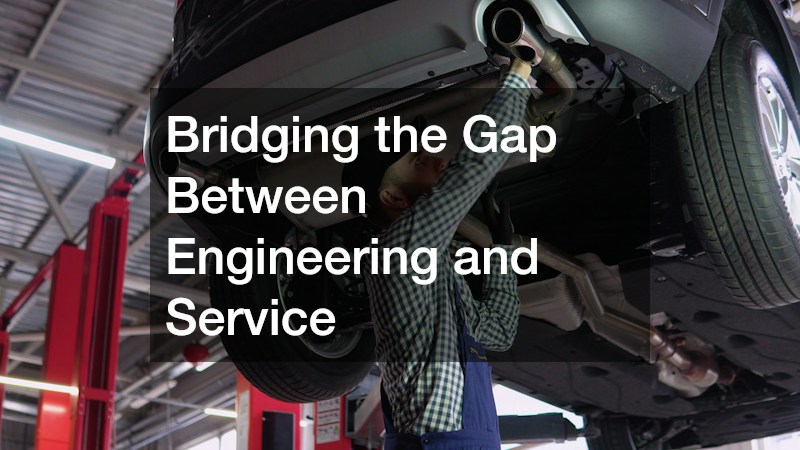
The distinction between foreign and domestic vehicle care has largely disappeared. Modern automobiles share similar complex technology, high-efficiency engine designs, electronic safety networks, and lightweight structural materials. Whether driving a domestic work truck, a European luxury sedan, or an Asian commuter car, vehicle owners benefit most from partnering with repair facilities that take a modern, comprehensive approach to service.
By investing in multi-platform diagnostic tools, specialized technician training, and unified service workflows, modern repair centers can handle every aspect of vehicle care under one roof. From deep engine diagnostics and brake maintenance to post-collision structural alignment, ceramic glass protection, and mobile commercial support, a comprehensive care strategy keeps your vehicle running reliably, efficiently, and safely for years to come.