


Keeping a vehicle safe and roadworthy requires more than filling the gas tank and scheduling occasional oil changes. Every component, from the tires and suspension to the engine and electrical systems, contributes to how reliably a vehicle performs. When maintenance is overlooked, minor issues can gradually develop into serious mechanical problems that compromise safety and lead to costly breakdowns.
Preventive maintenance helps drivers recognize warning signs before they become emergencies. Regular inspections, responsible driving habits, and timely repairs can improve vehicle performance while reducing unnecessary wear. These practices are especially important for people who depend on their vehicles for daily commuting, family transportation, or long-distance travel.
Maintaining a vehicle also involves protecting its structural condition, exterior surfaces, and visibility. Understanding what to inspect, when to seek professional assistance, and how to prepare for changing road conditions allows drivers to make informed decisions. A consistent approach to vehicle care can extend its useful life and provide greater confidence behind the wheel.
Inspect Your Braking System for Early Warning Signs
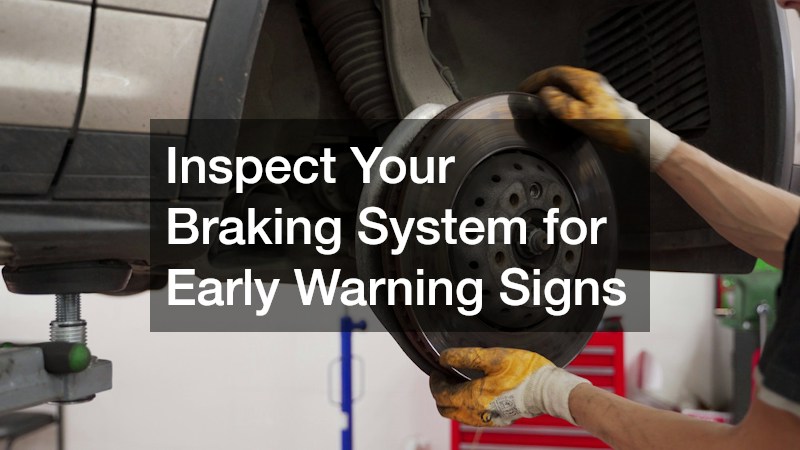
A vehicle’s braking system is one of its most important safety features. It allows drivers to control speed, maintain stopping distance, and respond to unexpected hazards. Because braking components experience friction and heat during everyday use, they gradually wear down and require periodic inspection.
Several warning signs can indicate developing problems. High-pitched squealing may suggest worn brake pads, while grinding noises can indicate that friction material has deteriorated significantly. Vibrations during braking may result from uneven rotor surfaces or other mechanical issues. A soft brake pedal, excessive pedal travel, or noticeably reduced stopping power should receive immediate attention.
Drivers should also understand how different braking components work together. Brake pads create friction against rotors, calipers apply pressure, and hydraulic fluid transfers force from the pedal to the braking mechanisms. Problems involving any of these components can reduce braking effectiveness.
Scheduling brake repair when unusual symptoms first appear can prevent additional damage and help restore dependable stopping performance. For example, replacing worn pads before they damage the rotors may reduce the extent of necessary repairs.
Routine inspections should follow manufacturer recommendations and account for driving conditions. Frequent stop-and-go traffic, mountainous roads, and heavy loads can accelerate component wear. Drivers should also monitor brake fluid levels and investigate unexplained fluid loss.
If the brake warning light illuminates, stopping power decreases, or the pedal behaves abnormally, the vehicle should be evaluated before further driving. Serious braking problems may require roadside assistance rather than attempting to reach a repair facility.
Recognize Drivetrain Problems Before They Become Serious
A properly functioning drivetrain transfers engine power to the wheels while allowing the vehicle to accelerate, maintain speed, and respond to changing road conditions. When drivetrain components begin malfunctioning, drivers may notice changes in performance long before a complete failure occurs.
Transmission problems often develop gradually. Delayed engagement when shifting into drive or reverse, unexpected gear changes, slipping during acceleration, and unusual whining or clunking noises can indicate mechanical or hydraulic problems. Fluid leaks, overheating, and unfamiliar vibrations may also signal developing concerns.
Transmission fluid plays an important role in lubrication, cooling, and hydraulic operation in many transmission designs. However, fluid requirements differ significantly between conventional automatic, continuously variable, dual-clutch, and manual transmissions. Drivers should consult their owner’s manual before checking fluid or requesting a transmission service.
Scheduled transmission service helps ensure that appropriate fluids and related components receive attention at the manufacturer’s recommended intervals. Some vehicles require specific inspection procedures, while others have sealed systems that should be evaluated by qualified technicians.
Driving habits also influence drivetrain longevity. Aggressive acceleration, repeated heavy towing, and operating a vehicle beyond its rated capacity can increase mechanical stress. Drivers should allow the vehicle to come to a complete stop before switching between forward and reverse gears unless the manufacturer specifies otherwise.
Minor symptoms should never be dismissed simply because the vehicle remains operational. Continuing to drive with severe slipping, overheating, or unexpected loss of power can create dangerous situations and increase damage. Early diagnosis helps determine whether a problem involves fluid condition, electronic controls, worn components, or another underlying issue.
Follow a Consistent Preventive Maintenance Schedule
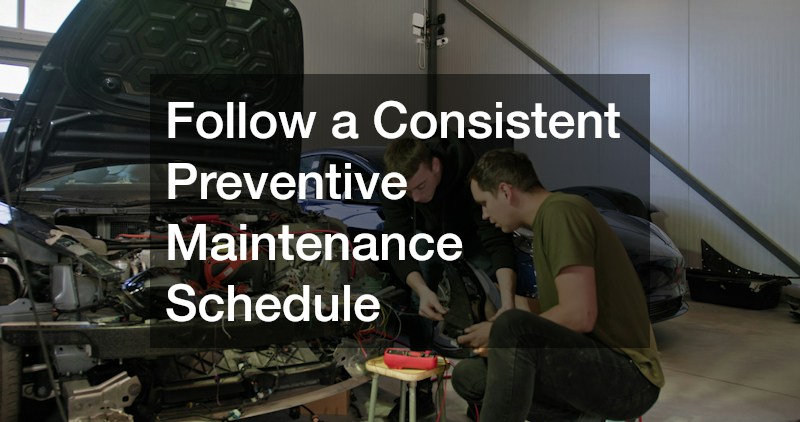
Preventive maintenance is one of the most effective ways to maintain dependable transportation. Rather than waiting for a component to fail, drivers can follow a structured schedule based on mileage, operating conditions, and manufacturer recommendations.
Essential maintenance includes engine oil changes, filter replacement, fluid inspections, and examinations of belts, hoses, and cooling components. Tire rotation and wheel alignment checks help maintain consistent handling and reduce uneven wear. Battery testing and electrical inspections can also reveal problems before they cause unexpected starting failures.
Qualified auto mechanics can identify developing issues that may not produce obvious symptoms. During routine inspections, technicians may discover deteriorating rubber components, fluid seepage, loose connections, or worn steering parts. Identifying these concerns early allows owners to prioritize maintenance before operational problems become more serious.
Drivers should distinguish between normal and severe operating conditions. Short trips, extensive idling, dusty environments, extreme temperatures, and frequent towing may require more frequent inspections or maintenance. The owner’s manual generally provides separate guidance for demanding operating conditions.
Keeping accurate service records makes maintenance easier to manage. Records should document completed work, mileage, replacement parts, and recommended follow-up inspections. This information can prevent duplicated services, reveal recurring problems, and provide useful documentation when selling the vehicle.
Unexpected dashboard warnings should also receive attention. While some lights indicate routine maintenance reminders, others identify potentially serious mechanical or safety concerns. Drivers should consult the owner’s manual to understand whether continued operation is appropriate.
Addressing small auto repairs promptly can prevent further deterioration. Replacing a leaking hose, repairing an electrical connection, or correcting a minor fluid leak may reduce the likelihood of larger failures.
Between professional appointments, drivers can perform simple visual checks. Looking beneath the vehicle for leaks, inspecting visible hoses, monitoring fluid levels where appropriate, and listening for unfamiliar sounds can reveal changes worth investigating.
Check Suspension Components and Vehicle Modifications
A vehicle’s suspension system helps maintain tire contact with the road while supporting stable handling and passenger comfort. Springs, shocks, struts, control arms, and related components work together to absorb road impacts and control vehicle movement.
Suspension problems can become noticeable through excessive bouncing, unusual clunking noises, uneven tire wear, or steering that feels unstable. Drivers may also notice that the vehicle pulls to one side or leans excessively when turning. Although these symptoms can have several causes, they justify a professional inspection.
Regular inspections are especially important after striking deep potholes, driving over rough terrain, or experiencing an unexpected impact. These events may affect alignment, damage suspension components, or accelerate existing wear.
Vehicle modifications also deserve careful consideration. Installing lift kits changes the vehicle’s ride height and may alter its center of gravity, steering geometry, suspension travel, and handling characteristics. Depending on the modification, additional changes to tires, driveshaft angles, or braking components may be necessary.
Drivers considering suspension upgrades should choose components designed for their specific vehicle and intended use. Professional installation helps ensure that mounting hardware, alignment settings, and connected systems are properly evaluated.
After significant suspension work, a wheel alignment may be necessary to restore appropriate steering geometry and reduce irregular tire wear. Technicians should also examine brake lines, wiring, and other components that could be affected by changes in suspension travel.
Drivers should remember that taller vehicles may have different stability characteristics, particularly during sharp turns or emergency maneuvers. Understanding these changes and adjusting driving habits accordingly supports safer operation.
Address Collision Damage Before It Affects Vehicle Safety

Even relatively minor collisions can produce damage that extends beyond visible dents and scratches. Modern vehicles rely on carefully engineered structural components, sensors, restraint systems, and body panels to protect occupants and maintain proper operation.
After an accident, drivers should inspect the vehicle for obvious damage while avoiding unsafe roadside conditions. Uneven panel gaps, misaligned doors, damaged lights, and unusual steering behavior can suggest problems that require professional evaluation.
Visible dents may seem cosmetic, but the location and severity of the impact matter. Damage near structural reinforcements, mounting points, or safety equipment can require a more extensive assessment. Professional dent removal may restore affected panels when the damage is suitable for that procedure, but cosmetic correction alone does not establish that a vehicle is structurally sound.
Paint damage should also receive attention. Exposed metal can become vulnerable to moisture, road salt, and corrosion. Repairing damaged finishes helps protect exterior surfaces and may prevent deterioration from spreading.
A qualified auto body shop can assess collision-related problems and determine whether additional mechanical or structural inspections are needed. Depending on the damage, technicians may examine frame or unibody measurements, wheel alignment, lighting systems, and affected safety components.
Modern driver-assistance features require particular attention. Cameras, radar sensors, and related equipment may need inspection or calibration after certain collisions, windshield replacements, or body repairs. Even small changes in sensor positioning can interfere with system performance.
Drivers should request documentation describing completed work and any required calibrations. Before returning to normal use, they should confirm that damaged lights, mirrors, doors, and other essential components operate properly.
Addressing collision damage carefully helps restore vehicle functionality while reducing the risk of overlooking problems that could affect future driving safety.
Maintain Clear Visibility and Protect Exterior Surfaces
Clear visibility allows drivers to identify pedestrians, traffic signals, road hazards, and changing weather conditions. Windshields, windows, mirrors, headlights, and camera lenses all contribute to the driver’s ability to observe the surrounding environment.
Windshield damage deserves prompt attention because cracks and chips can obstruct vision or spread over time. The location, size, and type of damage influence whether a repair is appropriate. Professional auto glass technicians can evaluate these factors and determine when replacement is necessary.
A windshield also contributes to vehicle safety beyond basic visibility. In many vehicles, it plays a role in structural performance and supports equipment used by advanced driver-assistance systems. Proper installation and required calibration are therefore essential when replacement is performed.
Drivers should inspect windshield wipers for streaking, skipping, or deteriorating rubber. Replacing worn blades helps maintain visibility during rain and snow. Windshield washer fluid should also be appropriate for seasonal temperatures.
Headlights and taillights require similar attention. Dirt, oxidation, moisture intrusion, and damaged lenses can reduce lighting effectiveness. Regular cleaning and timely replacement of defective components help other motorists see the vehicle and improve nighttime visibility.
Routine car detailing can support exterior preservation by removing road salt, environmental contaminants, insect residue, and accumulated grime. Washing wheel wells and lower body panels is particularly helpful in regions where roads receive winter deicing treatments.
Cleaning should extend to mirrors, windows, parking cameras, and exposed sensor covers. Drivers should use manufacturer-approved products and avoid abrasive techniques that could damage protective coatings or sensitive equipment.
Protective finishes may help preserve painted surfaces, but they cannot replace timely repairs when corrosion or significant damage appears. Combining regular cleaning with careful inspection helps maintain both appearance and functional condition.
Prepare Critical Vehicle Systems for Seasonal Conditions
Changing seasons introduce different challenges for vehicle operation. Extreme temperatures, precipitation, road treatments, and demanding travel conditions can affect mechanical performance, traction, visibility, and reliability.
Before winter, drivers should inspect tire condition, battery health, windshield wipers, lighting, and heating systems. Cold temperatures can reduce battery performance and lower tire pressure. Checking pressure when tires are cold, using the vehicle manufacturer’s specifications, helps maintain appropriate handling.
Tire selection also matters. Winter tires may provide improved traction in cold weather, snow, and ice compared with tires not designed for those conditions. Drivers should consider local climate, expected road conditions, and vehicle requirements when selecting tires.
Cooling systems need attention throughout the year. Proper coolant concentration, adequate fluid levels, and functioning cooling components help regulate engine temperature during both hot and cold weather.
Summer preparation should include inspecting cooling hoses, checking air-conditioning performance, and watching for signs of overheating. An increasing temperature gauge, coolant warning light, or visible steam requires immediate attention. Drivers should never open a hot, pressurized cooling system.
Vehicles used for frequent towing, mountainous travel, or demanding operating conditions may place additional stress on drivetrain components. Manufacturer-recommended transmission service can help address maintenance requirements associated with these operating conditions.
Seasonal preparation should also include emergency supplies. During winter, blankets, warm clothing, traction aids, and additional water can be useful if travel is unexpectedly interrupted. Summer travelers should prioritize drinking water and precautions against excessive heat.
Regardless of the season, drivers should check weather forecasts and road conditions before lengthy trips. Reducing speed, increasing following distance, and avoiding hazardous travel when possible can be just as important as preparing the vehicle itself.
Keeping Every Journey Safer Through Consistent Vehicle Care

Maintaining a safe and roadworthy vehicle requires ongoing attention to mechanical performance, structural condition, visibility, and changing driving conditions. Routine inspections and preventive maintenance can reveal developing problems before they compromise reliability or passenger safety.
Drivers who follow manufacturer recommendations, respond promptly to warning signs, and seek professional assistance when necessary are better positioned to avoid unexpected breakdowns. Preparing for seasonal conditions and completing simple pre-trip inspections provides additional protection during everyday travel and longer journeys.
Responsible vehicle ownership is ultimately about consistency. Small maintenance habits, informed repair decisions, and awareness of changing vehicle performance can contribute to safer transportation, reduced long-term wear, and dependable operation for years to come.